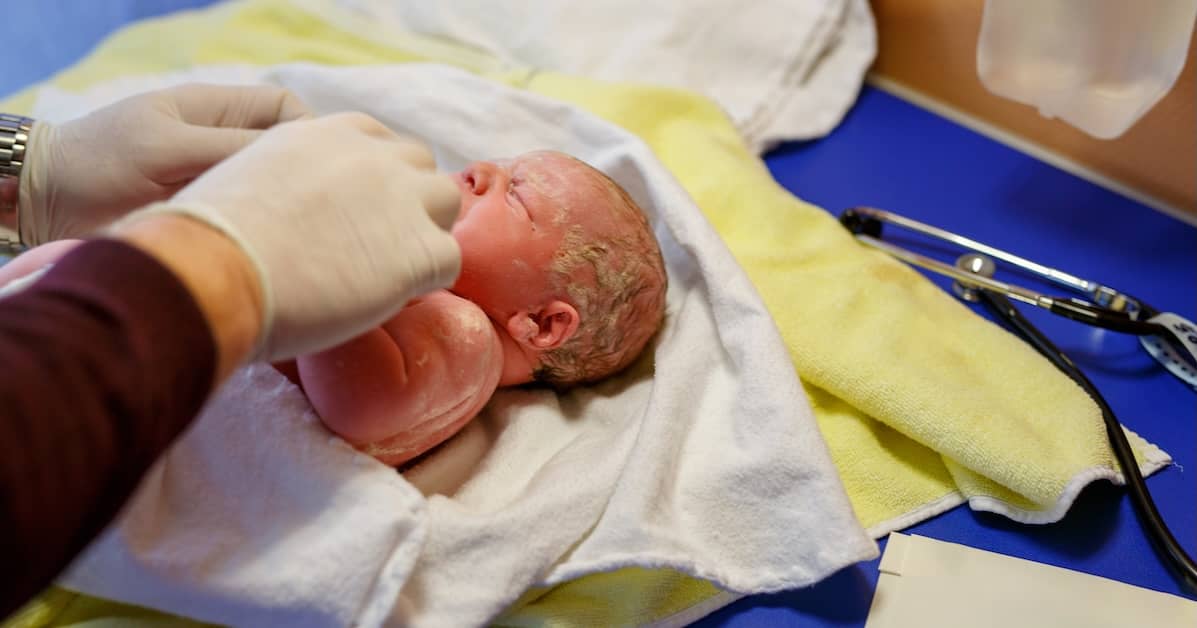
Shoulder dystocia can cause a birth injury when a baby’s shoulder becomes stuck behind the mother’s pelvic bone during delivery. It occurs in approximately 1% of vaginal births, and while it cannot always be predicted, healthcare providers should be prepared to intervene when necessary. If a healthcare provider fails to respond appropriately, a preventable injury may occur, potentially giving the family grounds for a birth injury claim under Illinois law.
Shoulder dystocia is one of several potential injury risks during childbirth. While the prevalence of shoulder dystocia is relatively low, it is common enough that healthcare providers should be prepared to intervene when necessary. If a healthcare provider fails to intervene appropriately, this can lead to various types of birth injuries that might otherwise have been prevented.
As a result, when newborns are diagnosed with birth injuries related to shoulder dystocia, their parents may have claims for financial compensation if medical negligence contributed to the injury. When parents have birth injury claims in Illinois, they can seek financial compensation for their families’ financial and non-financial losses. While this includes their present and future medical bills and other out-of-pocket expenses, it can also include things like pain and suffering, emotional distress, and loss of enjoyment of life.
Several types of birth injuries can be linked to shoulder dystocia during labor and delivery. While these conditions can have other causes as well, some of the most common birth injuries associated with shoulder dystocia include:
Brachial plexus palsy is among the most common conditions linked to shoulder dystocia. When shoulder dystocia causes a birth injury involving the nerves traveling from the baby’s neck into the arm, this can result in permanent damage with disabling consequences. There are two main types of brachial plexus palsy, both of which can result from shoulder dystocia:
Erb’s palsy and Klumpke’s palsy can impact newborns’ lives in many ways; and, while they can be treated in some cases, they can also be permanent. As a result, for new parents whose children have been diagnosed with either of these forms of palsy, it is critical to understand what compensation may be available when medical negligence caused the injury.
The pressure applied to a baby’s shoulders and upper arms in cases of shoulder dystocia can be enough to cause a birth injury involving fractures of the clavicle or humerus. While these fractures can often be fully treated, treatment and recovery can be long, difficult, and expensive processes.
Hypoxic-ischemic encephalopathy (HIE) is a type of brain injury that results from reduced oxygen and blood flow to the brain during labor and delivery. Blood carries crucial oxygen to the baby’s brain; and, if the brain’s supply of oxygen is disrupted for too long, this can potentially have permanent disabling consequences. In severe cases, shoulder dystocia can contribute to a birth injury involving oxygen deprivation.
Horner’s syndrome is another potentially permanent condition associated with shoulder dystocia. It can occur as a result of nerve disruption caused by stretching or other forms of trauma during delivery. Horner’s syndrome affects the eye and face on the side of the body where the trauma occurred, with drooping of the eyelid and a constricted pupil often being among the first visible symptoms.
In some cases, when shoulder dystocia occurs, the umbilical cord can also become compressed during delivery. This can disrupt the flow of oxygen to the baby’s brain, and it generally constitutes a medical emergency. Umbilical cord compression can lead to brain damage and other permanent complications; and, tragically, it can prove fatal in some cases.
Learning that your child suffered a birth injury can be heartbreaking, especially if you suspect that medical mistakes could have prevented it. If your child’s shoulder dystocia resulted in a birth injury, you deserve to know what happened and whether the doctors or hospital could be held responsible.
At Coplan + Crane, our experienced birth injury lawyers understand the challenges families face when a child suffers a serious injury during delivery. We can investigate what went wrong, help you understand your legal options, and fight for the compensation your child may need for ongoing medical care and support.
Contact the Chicago birth injury lawyers at Coplan + Crane today online or at (312) 982-0588 for a FREE case evaluation. We proudly serve clients across Illinois, including Chicago, Oak Park, Rockford, and other areas.