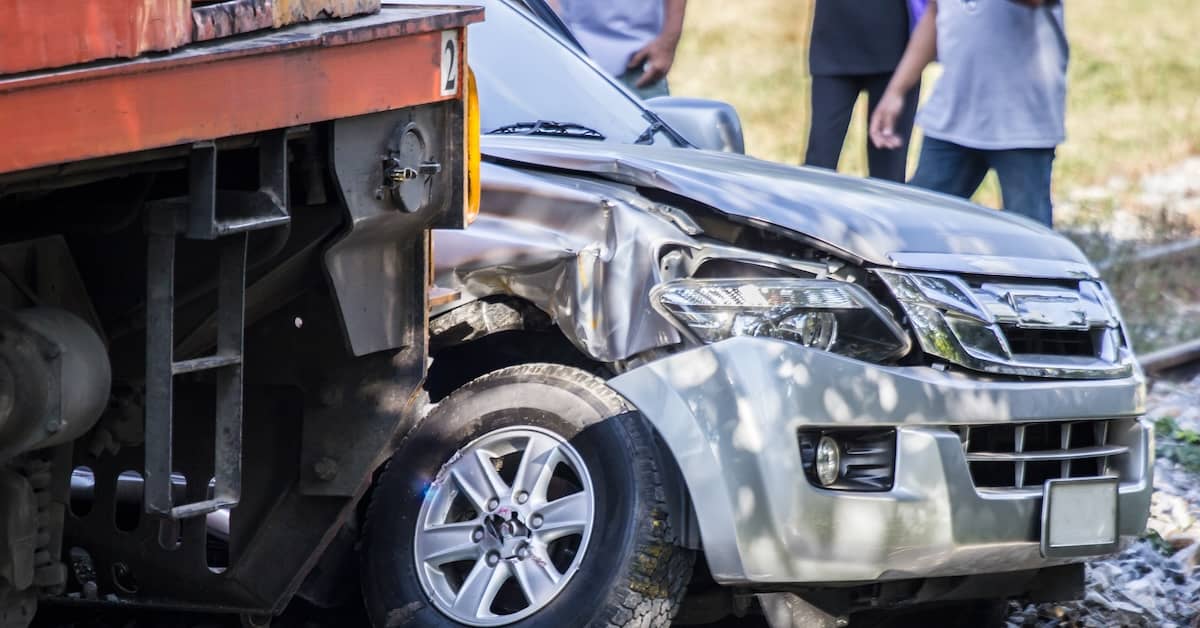
It’s important to understand how liability works in a train acident claim because train accidents frequently have devastating consequences. Sadly, many victims lose their lives, and those who survive are often forced to cope with the effects of severe physical and emotional trauma for the rest of their lives. This makes seeking accountability extremely important, and filing a truck accident claim starts with identifying the party (or parties) that deserve to be held liable.
Various parties may be liable in a train accident claim in Chicago. While the company or government entity that operates the train will usually be the most obvious target, various other parties may hold (or share) liability as well. Determining liability requires a comprehensive investigation, and this makes it important to engage legal counsel as soon after a serious or fatal train accident as possible.
When we investigate a train accident claim on behalf of victims and their families, we take a comprehensive approach focused on determining all possible grounds for liability. Once we know why the accident happened, then we can identify the party (or parties) that deserve to be held accountable. In most cases, victims and their families will have claims against parties such as:
Railroad operators can be held liable in a train accident claim resulting from their employees’ negligence. This includes passenger and commercial railroad operators, and it includes local and regional train lines as well as national train lines that stop in Chicago while also transporting passengers or cargo to other cities across the country.
The Chicago Transit Authority (CTA) and Metra can also be held liable for train accidents resulting from their employees’ negligence. While special rules apply to personal injury and wrongful death lawsuits against government entities, victims and families can—and should—pursue claims for compensation against the CTA and Metra in appropriate cases.
While negligence is a common factor in train accidents, these accidents can also result from railroad and railway defects. If a defect causes (or contributes to causing) a serious or fatal accident, the railroad or railway manufacturer can be held liable under Illinois law. Defects have been known to play a role in derailments, crossing gate failures, and various other types of catastrophic accidents.
Along with defects, issues caused by inadequate maintenance and poor repairs can provide grounds to pursue liability in serious and fatal train accident cases as well. In these cases, the service provider that performed the negligent work at issue may be fully liable. Alternatively, if a railroad company, the CTA, or Metra failed to seek necessary maintenance or repairs for a train involved in an accident, this entity may be liable instead.
Negligent drivers and other third parties can also be held liable in a train accident claim. For example, if a negligent driver stopped on the tracks or a construction company damaged a railroad crossing gate, this could also provide clear grounds to file a claim under Illinois law. As we said above, we investigate all possible causes, and we do everything we can to make sure our clients can seek the financial compensation they deserve.
Determining liability in a Chicago train accident claim is a multi-step process that starts with conducting an on-scene investigation. Ideally, this investigation will take place as soon after the accident as possible. However, determining liability may also involve several additional steps, including:
In all cases, it is important to act promptly. Train accident victims and their families will need to work closely with their lawyers to document their financial and non-financial losses as well. If you need to know more, we strongly encourage you to contact us right away.
To discuss your train accident claim with a Chicago train accident lawyer at Coplan + Crane, contact us today. Contact Coplan + Crane today online or at (312) 982-0588 for a FREE case evaluation. Our Chicago train accident lawyers help clients across Illinois, including Chicago, Oak Park, Rockford, and other areas.