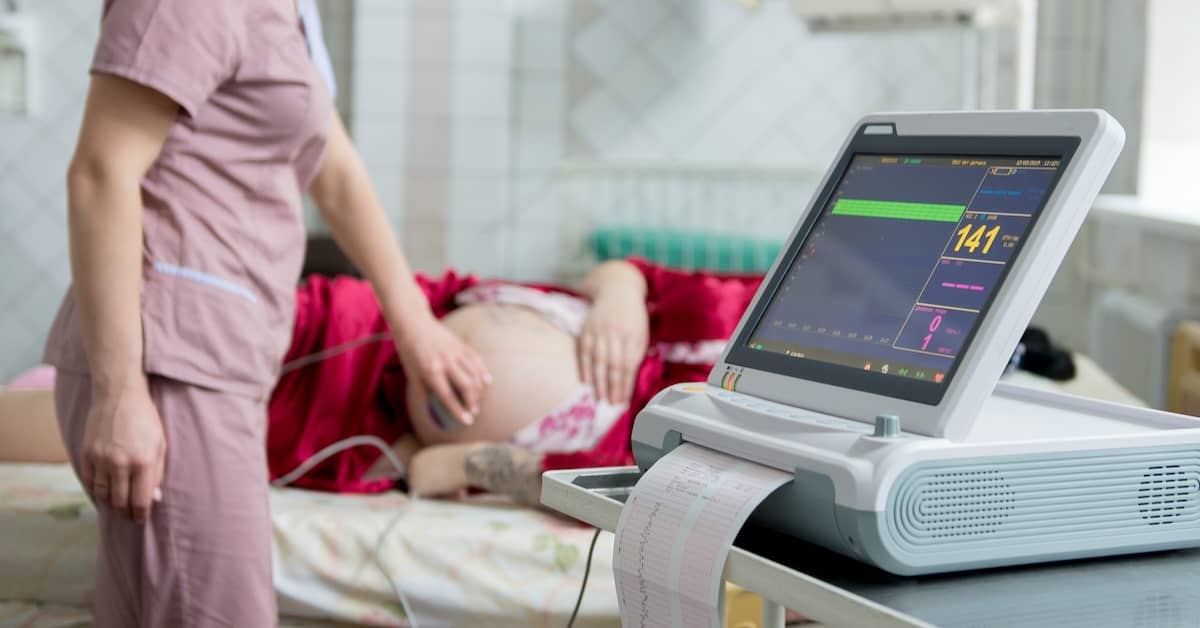
Fetal monitoring is essential for identifying birth injury risks before they lead to serious or permanent complications. It is also widely available, and fetal monitoring is standard practice for most hospital births in Illinois and throughout the United States.
But, fetal monitoring on its own is not enough. Monitoring only serves its purpose when medical professionals know the warning signs to watch for and respond appropriately.
Unfortunately, inadequate fetal monitoring is a pervasive issue. As a result, if you are concerned that inadequate fetal monitoring may have caused your child’s birth injury, you are not alone—and you should not ignore your concerns. Parents can often file medical malpractice claims in these cases, and filing a claim could be essential for managing the financial and non-financial costs of your child’s birth injury in the future.
Like other forms of medical malpractice, inadequate fetal monitoring can take many different forms. When you hire an experienced birth injury lawyer to represent you, your lawyer will examine your medical records from your childbirth to determine if a medical malpractice claim is warranted. Here are some all-too-common examples of fetal monitoring errors that can cause birth injuries and give rise to medical malpractice claims under Illinois law:
There are multiple types of fetal monitoring, including electronic fetal monitoring (EFM), internal fetal monitoring (IFM), and intermittent auscultation, among others. Each type of fetal monitoring serves its own unique set of purposes, and failure to use a necessary type of fetal monitoring in a given set of circumstances can result in failure to detect a potential birth injury risk.
During labor and delivery, continuous fetal monitoring is essential for identifying potential birth injury risks as early in the process as possible. Even with intermittent auscultation, this form of monitoring should be conducted at regular intervals through childbirth.
Improper use of fetal monitoring equipment is a common issue as well. If healthcare providers do not know how to use fetal monitoring equipment correctly, not only can this result in failure to diagnose potential birth injury risks, but it can also create a flawed perception that nothing is wrong.
Misinterpretation of fetal monitoring data presents similar concerns. This includes misinterpretation of abnormal heart rate patterns and other potential signs of oxygen deprivation—which is a leading cause of birth injuries. Whether due to a mistake, fatigue, or inadequate medical knowledge, interpretation errors can provide clear grounds for pursuing a birth injury claim under Illinois law.
The purpose of fetal monitoring is to ensure that healthcare providers can respond to potential birth injury risks appropriately and in a timely manner. If a healthcare provider fails to effectively use the data it has available, this can provide clear grounds to pursue a birth injury claim as well. Unfortunately, delayed and inadequate responses to birth injury risks are far more common than they should be.
These issues, among others, can cause various types of birth injuries. As noted above, many of these injuries are linked to oxygen deprivation. However, inadequate fetal monitoring can result in failure to detect other risks as well, and parents can file claims involving all types of birth injuries when warranted.
With this in mind, some examples of birth injuries commonly linked to inadequate fetal monitoring include:
Again, these are just examples. If you have reason to believe that inadequate fetal monitoring is to blame for your child’s birth injury diagnosis—or if you would like to find out if inadequate monitoring is to blame for your child’s diagnosis—it will be well worth speaking with a lawyer about your family’s legal rights. If you have grounds to take legal action, an experienced lawyer will be able to help you seek financial compensation for your family’s medical bills, your child’s pain and emotional trauma, and your family’s other financial and non-financial losses.
If you need to know more about filing a birth injury claim related to inadequate fetal monitoring, contact us today.
Contact Coplan + Crane today online or at (312) 982-0588 for a FREE case evaluation. Our Chicago birth injury lawyers help clients across Illinois, including Chicago, Oak Park, Rockford, and other areas.